







Online cash register – how does it work, since when and for whom?
June 9, 2020
Reporting a cash register to the tax office – template
July 1, 2020
Cash register review - what do you need to know?
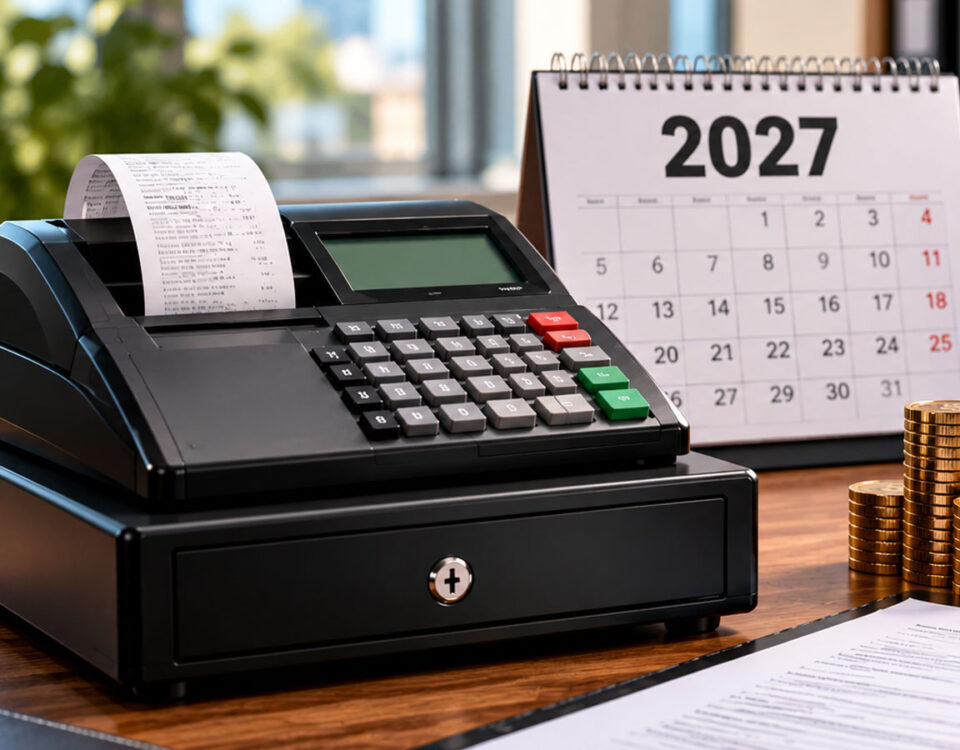
Businesses using cash registers are required to have their equipment regularly inspected. Failure to do so may result in a fine. All of this makes it worthwhile to review service procedures and answer any pressing questions.
There are many questions online about how often a cash register inspection should be performed, what it looks like, and how much it costs. We also need to be constantly aware of current regulations that regulate these and many other issues.

Mandatory cash register inspection – how often?
The need for servicing is indicated by VAT Act, or to be more precise, Article 111, paragraph 3a, points 4 and 11. According to the regulations, every cash register owner must have it inspected regularly. How often must a cash register be inspected? At least every 2 years.
It's worth remembering that it's hard to escape this obligation. Especially when we have ONLINE cash registers. These devices automatically send necessary data to the Central Cash Register Repository, including the date of the last inspection. Additionally, monthly reports are sent by the service center that maintains our device. Failure to do so could result in a fine.
What is the penalty for not inspecting the cash register?
The VAT Act clearly states that late registration of a cash register will result in the imposition of a fine of PLN 300 by the head of the relevant tax office. Importantly, this amount remains fixed regardless of the delay.
Need to pay 300 zlotys However, it does not have to be the only punishment. If we have previously used the discount on the purchase of a cash register and we do not meet the deadlines, we will have to return this discount.
What does a cash register inspection look like?
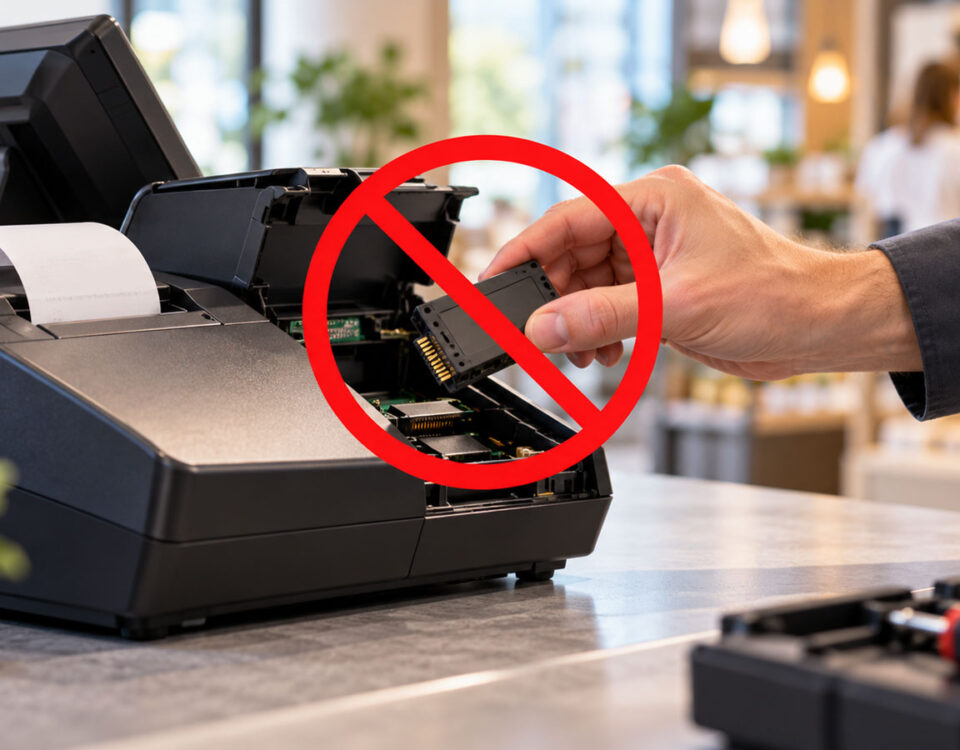
The service procedure is precisely described in the regulations. The service technician checks, among other things, the general condition of the device's casing, the legibility of documents printed by the cash register, and the condition of the seals and their compliance with the documentation.
Cash register servicing also involves a thorough analysis of the correct operation of the cash register and its display. Among other things, the way fiscal documents are issued is being checked. Additionally, the cash register's operating program and archiving software, the device's battery, and the memory and fiscal module are checked. All of this allows us to determine whether the cash register is operational and ready for use again. If any irregularities are found, the service technician notifies us and recommends further action. However, if the cash register inspection is successful, an appropriate entry is made in the Cash Register Book.
Finally, it is worth emphasizing that although the VAT Act precisely regulates issues related to the review, these regulations do not apply to taxi drivers. Different regulations apply to these vehicles. According to these regulations, devices such as taximeters and cash registers are no longer mandatory in taxis. Their functions can be performed by special mobile apps or so-called e-cash registers. Therefore, during a vehicle inspection at a Vehicle Inspection Station, the diagnostician does not check for their presence.
Owners cash registers However, they must remember to conduct regular inspections. It's worth reiterating that both the information automatically sent by online cash registers and reports from fiscal services mean that we cannot count on any leniency in this regard or the possibility of avoiding a potential fine.