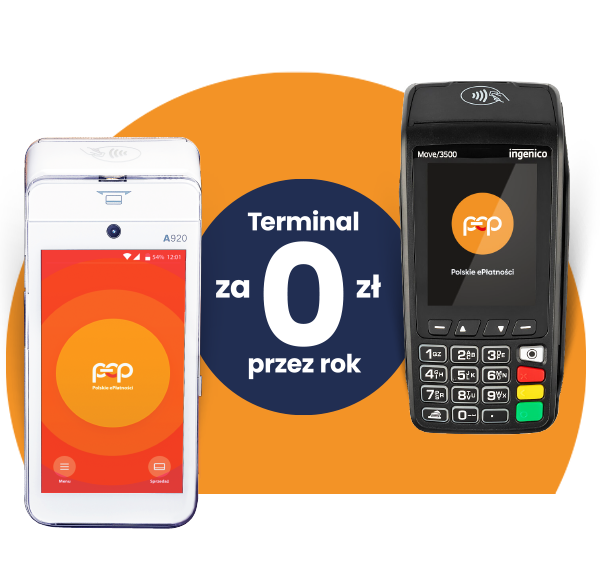
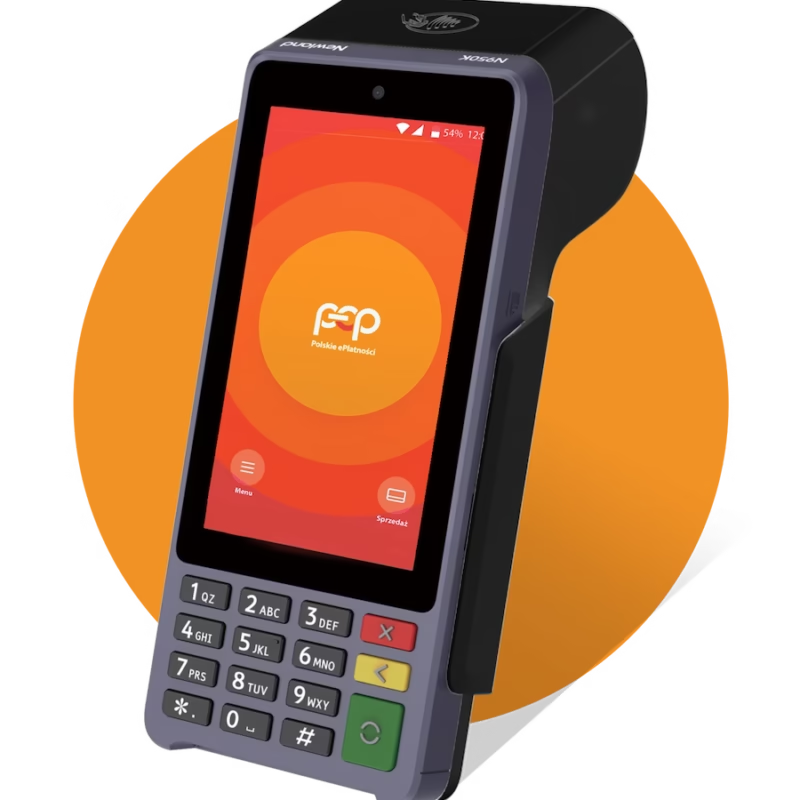
1What is a payment terminal (POS)?
A payment terminal (POS – Point of Sale) is an electronic device that allows businesses to accept payments made with debit cards, credit cards, and other forms of cashless payments. POS enables quick and secure cashless transactions, thus increasing customer convenience and the efficiency of the sales process.
2How does a payment terminal work?
First, the customer touches a payment card (or other form of cashless payment) to the POS terminal to pay for goods or services. Using a magnetic, chip, or contactless (NFC) reader, the terminal reads the card information. The terminal then connects to the payment service provider (PSP) or the customer's bank to obtain transaction authorization. The PSP or bank verifies that the payment card is valid, that there are sufficient funds in the account, and that there are no other restrictions to complete the transaction. If the transaction is authorized, the terminal notifies the merchant and the customer. A transaction approval message then appears on the device's display and then prints a receipt confirming the transaction. Meanwhile, information about the transaction is transferred from the PSP system to the merchant's bank, which approves and processes the transaction. The funds from the transaction are immediately transferred to the merchant's account.
3What types of payment terminals are there?
Payment terminals can be divided into three main categories. The first are stationary terminals – the most traditional payment terminals, permanently placed in a single location, such as a store counter. They are typically connected to power and the internet via cables. The second category are mobile (portable) terminals. These terminals can be easily moved within a specific location, such as a restaurant or hair salon. They connect to the internet via Wi-Fi or Bluetooth and are powered by a built-in battery. The third type are PIN pads – separate devices with a keyboard, integrated with the POS system. They can be connected to a stationary terminal or operated independently.
4What payment methods does the POS terminal support?
Modern POS payment terminals support a wide variety of payment methods. The most important include debit and credit cards: Visa, Mastercard, American Express, Discover, and UnionPay. They also support NFC (Near Field Communication) contactless payments and mobile payments: Apple Pay, Google Pay, Samsung Pay, and Garmin Pay, which allow payments via smartphones. POS terminals also support prepaid, gift, and loyalty cards.
5Can I use a payment terminal to accept payments in foreign currencies?
Yes. When accepting payments in foreign currencies, the terminal automatically converts the transaction value to the foreign currency at the current exchange rate. The cardholder already knows the exchange rate and the final amount to be paid at the time of transaction. Once the transaction is authorized, the amount is converted back to the merchant's local currency, and the funds are transferred to their account.
6How quickly are transactions processed at payment terminals?
Transactions on Polish ePayment payment terminals are typically processed very quickly. Contactless payment authorization can take from a few to several dozen seconds. Processing times may vary depending on the payment type and the terminal's internet connection. Transaction funds are transferred to the merchant's account within 48 hours.
7What security measures are used in payment terminals?
Payment terminals are equipped with various security measures to prevent fraud and protect customer and merchant/merchant data. Primarily, card and transaction information is encrypted during transmission between the payment terminal, the payment service provider (PSP), and the bank, making it difficult for third parties to intercept and use this data. Before executing a transaction, the terminal must obtain authorization from the customer's bank, effectively preventing potential losses for the merchant.
8Which payment terminal should I choose?
The choice of a specific payment terminal should depend on the type of business. Different payment terminal models differ primarily in processor quality, operation, and additional options. Choose the terminal model that best suits your business's individual needs! For example, large grocery or multi-sector stores should equip a terminal with a very fast processor that will efficiently process data encryption and decryption, connect instantly to the cash register, and additionally be able to handle promotions, loyalty cards, applications, and gift cards. A mobile terminal, in turn, is an ideal solution for transportation services (e.g., taxis), as well as for sales representatives and couriers. In this case, it's worth considering a good quality battery. Hairdressing or beauty salons, on the other hand, can equip a cheaper payment terminal. Its processor doesn't need to be very fast, as transactions are not processed continuously. Smaller stores, such as kiosks, bookstores, or flower shops, should consider a payment card reader that allows for bill processing and the sale of prepaid phone top-ups. Additional services allow you to effectively improve the profitability of such points.
9What are the internet connectivity requirements for payment terminals?
Payment terminals require a stable internet connection to conduct transactions and communicate with the payment service provider (PSP) or bank. Connection speeds can vary, but a connection with at least several hundred kilobits per second is usually sufficient. Payment terminals can use various internet connections, such as wired (Ethernet), wireless (Wi-Fi), and cellular (3G, 4G, 5G). Choosing the right connection type depends on the terminal's location, network infrastructure availability, and business preferences. To avoid payment terminal downtime, it's worth choosing a reliable internet service provider and having an alternative solution, such as a cellular connection, in case the primary connection fails.
10What are the benefits of having a payment terminal?
Cashless payments are becoming increasingly popular every year. More and more customers are choosing to avoid carrying cash, which means they're choosing only those stores and service outlets where they can make cashless transactions – using a payment card or a payment app installed on their smartphone. A payment card terminal is becoming an essential solution for running a business and increasing revenue. Here are some of the benefits of having a payment terminal: 1. Cashless payments are simply convenient. Terminals streamline and speed up customer service. Cash payments often cause problems with getting change, which increases queue times. 2. Using card payments allows for additional promotions, such as gift cards, discount cards, and loyalty programs. 3. Using a payment card terminal allows you to launch additional services, such as cashback and prepaid phone top-ups. These capabilities increase your business's competitiveness. 4. A payment terminal increases revenue. In 2020, the Cashless Transaction Development Foundation estimated that customers who pay by card spend 20% more than those who pay with cash. 5. Card payments, BLIK transactions, and the introduction of additional services attract new customers, especially younger ones. 6. Cashless payments increase security by requiring less cash at the register. 7. A mobile terminal is a very convenient solution, especially in restaurants. It allows for convenient transaction processing at the customer's table. This solution enhances the prestige of the establishment. 8. Accepting payments with international cards and foreign currencies can increase the accessibility of your services to tourists and foreign customers.
11Is a payment terminal mandatory?
Pursuant to art. 19a sec. 1 and 2 of the Entrepreneurs' Law (Journal of Laws of 2021, item 162): "an entrepreneur shall ensure the possibility of making payments at any place where business activity is actually carried out, in particular on business premises, outside business premises or in a vehicle used to provide passenger transport services, using a payment instrument within the meaning of the Act of August 19, 2011 on Payment Services." These provisions apply from January 1, 2022. In theory, the aforementioned payment instrument can also be a BLIK code or bank transfer, but practice shows that the most convenient and reliable way to act in compliance with the law will be a POS terminal. By way of exception, entrepreneurs who are not obliged to use cash registers to keep sales records (because they benefit from a subjective or objective exemption) are exempt from the need to offer cashless payments.
12What are the consequences of not having a terminal?
If cashless payments are found to be unavailable, the entrepreneur risks losing their right to an expedited VAT refund and quarterly settlements. Furthermore, if a lack of cooperation between the cash register and the payment terminal enabling payment acceptance is detected, the head of the tax office may impose a fine of PLN 5,000 on the taxpayer.
13What are the costs associated with the purchase, installation and operation of a payment terminal in PeP for entrepreneurs who decide to accept cashless payments for the first time and participate in the Cashless Poland program?
Device activation fee: PLN 0. Monthly terminal fee: PLN 0 for the first 12 months. Transaction fees: PLN 0 (up to PLN 100,000 in turnover) for the first 12 months. Operating costs and service support: PLN 0.
14How long is the contract with PeP concluded?
Polskie ePłatności enters into contracts for periods starting from 24 months. Knowing that flexibility is crucial in running a business, we prioritize the well-being of our partners.
15What happens after the free funding period?
Our Advisor always presents a personalized offer tailored to your needs and capabilities. Clearly and transparently, so your business can grow. After the subsidy period under the Cashless Poland program, you'll receive a new, attractive offer for the terminal.
16How long does one have to wait for a payment terminal from PeP?
The terminal will be installed at your point within 3 business days of signing the contract with PeP.
17How many terminals can I collect in the Cashless Poland program?
You can get 1 terminal for free.
18What if my company already had a terminal?
If you or your company have accepted card payments in the last 12 months or currently accept them through another provider, complete the form. Our Advisor will contact you and present you with a competitive offer.
19What if the payment terminal fails?
If your internet connection is stable and resetting your device does not help, please contact our Merchant Service Center +48 17 859 69 69.
20Does the terminal need to be reported to the tax office?
No, the terminal does not need to be reported to the tax office.
21Can I perform offline transactions on a payment terminal?
Yes, some payment terminals allow offline transactions, also known as "store and forward" transactions. These transactions occur when the terminal is unable to connect to the network to authorize a payment. In this case, the terminal stores the transaction information and then forwards it for authorization once the connection is restored.
22Are there limits to the number of payment terminals I can have in my company?
No, there are no limits to the number of payment terminals you can have in your company – it depends solely on the needs of your business.
23Can I move my payment terminal between different locations?
No, due to location-specific terminal configuration and incompatibility with payment organizations' requirements (e.g., Visa/Mastercard). To relocate your terminal, please contact your Sales Representative or the Merchant Service Center at +48 17 859 69 69.
24How often do I need to update my payment terminal software?
It's important to keep your terminal up-to-date, as updates often introduce security fixes, new features, or improvements. The update frequency will vary depending on the specific terminal model. Some models may update every few months, while others will require more frequent updates.
25Will the payment terminal be compatible with my current sales system or accounting software?
PeP payment terminals integrate with all popular point-of-sale systems (POS) and accounting software. We will integrate the terminal with your existing system. Thanks to our extensive experience and collaboration with over 80 integrators, the entire process is quick and simple.